
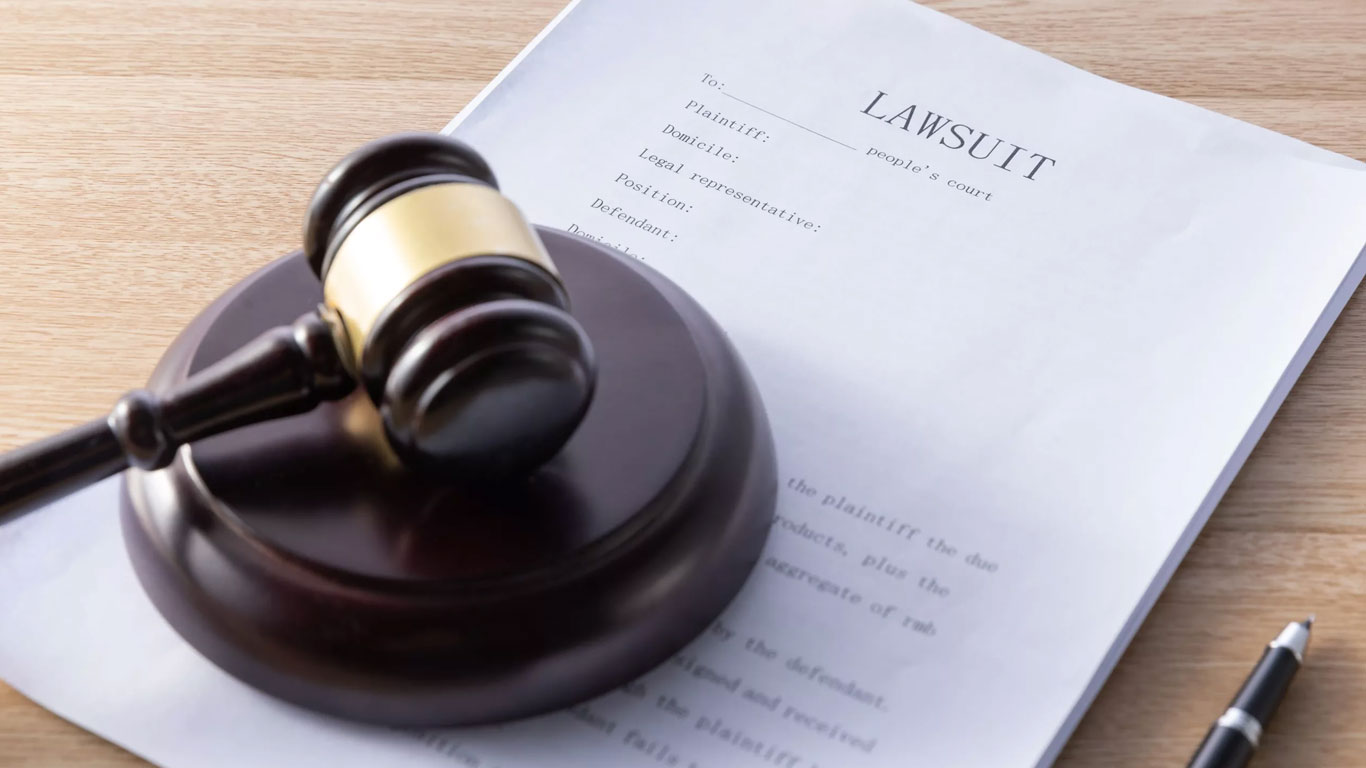
The U.S. Justice Department has filed a lawsuit against Harvard University, accusing the Ivy League institution of failing to comply with a federal investigation into its admissions process and seeking to compel the school to turn over detailed records and correspondence. The move marks a significant escalation in the Biden administration’s scrutiny of elite colleges following recent shifts in affirmative-action law.
Filed Friday in U.S. District Court in Boston, the lawsuit alleges that Harvard has “repeatedly slow-walked” production of documents requested by federal investigators, including admissions data, policy materials, and emails related to diversity, equity and inclusion (DEI) programs that Harvard maintains despite a 2023 U.S. Supreme Court ruling banning race-conscious admissions policies. The government says the records are needed to ensure Harvard’s compliance with that ruling.
The Justice Department emphasized that the lawsuit is aimed solely at obtaining documents, and does not accuse Harvard of discriminatory conduct, seek monetary damages, or ask a court to strip the university of federal funding. However, Harvard has been a focal point of broader disputes with the federal government over campus policies, including protests related to the Israel-Gaza conflict, transgender rights, and DEI initiatives—issues that have previously prompted funding threats.
President Donald Trump and senior administration officials have publicly criticized Harvard for allegedly continuing to consider race in admissions practice and for resisting federal oversight, though the legal complaint focuses strictly on document production. Harvard officials did not immediately respond to requests for comment.
The lawsuit comes amid a broader campaign by the administration to leverage federal funding and legal authority to enforce adherence to the Supreme Court’s anti-affirmative-action decision and to increase transparency in higher-education admissions practices. Legal experts say the case could result in significant disclosures about how one of the nation’s most selective universities evaluates applicants—a process that has long been shrouded in confidentiality.